

R-Value Explained: What It Measures, and What It Quietly Ignores
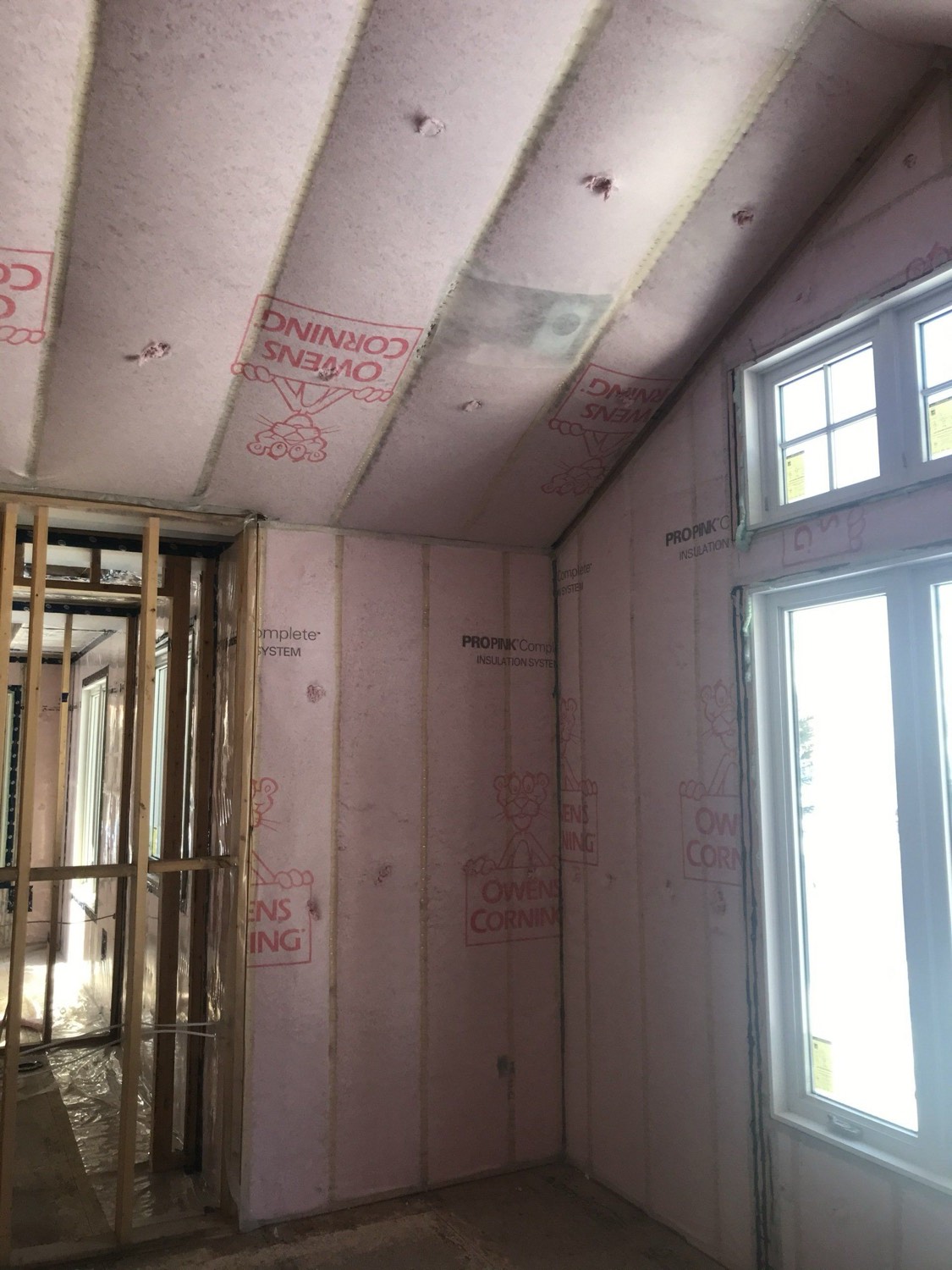
R-value is the number everyone shops on, and it only describes half of what keeps a house warm. Here is the other half.
Walk into any building supply store and every insulation product is sold on one number. R-12, R-20, R-60. It is a genuinely useful number, and it is also the reason a lot of people end up with a house that is thoroughly insulated and still cold.
What R-value actually is
R-value measures thermal resistance — how well a material resists heat moving through it by conduction. Double the R-value and you roughly halve the conductive heat loss through that material. It is a fair, standardized way to compare one insulation product to another.
The catch is in the word conduction. R-value describes heat crawling through a solid material. It says nothing at all about heat riding out of your house on moving air.
Nominal versus effective R-value
The number on the package is the nominal R-value: the material tested on its own, in a lab, perfectly installed. The number that affects your heating bill is the effective R-value of the whole assembly, and it is always lower. Three things pull it down:
- Thermal bridging — studs, joists and rafters conduct heat around the insulation. Wood framing is a fraction of the R-value of what is between it, and it makes up a meaningful share of a wall's area.
- Installation defects — a batt compressed behind a wire, gapped at the edge, or cut short at the top plate performs well below its rating in that spot.
- Air movement — insulation that air can move through or around is doing much less than the label suggests.
The half that nobody puts on the bag
In a typical Ontario house, a large share of heat loss is air leakage — through the attic hatch, the top plates, the rim joist, plumbing and wiring penetrations, pot lights and the gaps around them. That air carries moisture as well as heat. When warm, humid indoor air hits cold sheathing, it condenses, and you get frost, damp insulation and ice damming at the eaves.
No amount of R-value fixes air leakage, because R-value is not measuring it. This is why we ask what a house is doing, not just what is in the attic. A homeowner who adds a foot of blown insulation on top of an unsealed attic floor has bought a thicker sweater and left the zipper down.
How to actually use the number
- Air seal first. Every dollar spent sealing bypasses before insulating outperforms the same dollar spent on extra depth.
- Judge the assembly, not the product. Ask what the wall or ceiling will do as a system, including framing and detailing.
- Watch the depth in shallow cavities. In a cathedral ceiling or a 2x4 wall you cannot get there with batts — you need R-value per inch, which is what closed-cell foam sells.
- Insist on the installation. Complete cavity fill, split around obstructions, baffles at the eaves, barrier sealed. It is not glamorous and it is most of the result.
So what number should you be aiming for?
For a new build the answer is set for you: the Ontario Building Code specifies minimum effective R-values by assembly, climate zone and heating type, and your permit drawings will state them. Our job there is to hit or beat that number with an installation the inspector can sign off without argument.
For an existing house there is no legal minimum — you are spending your own money to buy comfort and lower bills, so the target is economic rather than regulatory. That changes the maths in a useful way. Going from nothing to a moderate amount of insulation captures most of the available saving. Going from a moderate amount to a very high amount captures much less, because each additional inch is only working on the heat that got past all the inches before it.
That is why we look at the whole house before quoting depth anywhere. A dollar spent sealing an attic hatch and the top plates usually beats a dollar spent on extra blown depth — and once the cheap wins are taken, the depth is worth more because the air is no longer moving through it.
The Barrie-area version of this
Two things about our climate make air leakage matter more here than the R-value conversation suggests. The first is length of season: heating runs a long time, so a persistent leak costs you across many months rather than a few weeks. The second is temperature difference — the bigger the gap between inside and outside, the harder every one of those leaks works.
Add lake-effect wind, which drives air through the envelope rather than letting it seep, and you have a region where two houses with identical insulation on paper can have very different heating bills. The difference is almost always the sealing.
R-value is a good tool used badly. Treat it as one input into how an assembly performs, and the rest of the decisions get much easier.
Questions about your own building? Call (705) 812-1955 or request a free quote — we serve Barrie, Simcoe County & the Kawartha Lakes area.